|
Fungus that can capture Gold!!
This is the dream come true of "Alchemists" of all times!! But there might be a high price to pay after all... we invite you to watch the video and keep reading! When I first saw this video and read the Guardian's article, I was fascinated. First cause Fungi is my passion and second cause this could have a huge impact in the way we are mining today. This could be a good way to avoid major environmental catastrophes and all the pollution that comes along with gold industry. So, I decided to go further in my research and here is what I found when I read the original Article to this discovery. Here you can read a short extract of an other Article in the same subject; Bioreduction of AuCl4- Ions by the Fungus, Verticillium sp. and Surface Trapping of the Gold Nanoparticles Formed."We have demonstrated the reduction of AuCl4 - ions by silanol groups and entrapment of the gold nanoparticles within the pores of mesoporous MCM-41 silicate matrices.[15] To rule out the reduction of AuCl4 - ions by sugars in the cell wall, reaction of the metal ions with different genera of fungi, such as Fusarium oxysporum, Colletotrichum gloeosporioides, and Curvularia lunata were carried out in a manner identical to that for Verticillium sp. No intracellular reduction of the AuCl4 - ions was observed in these cases, thus ruling out a nonspecific mechanism for the growth of the nanoparticles. Indeed, that most of the gold nanoparticles are observed to form on the cytoplasmic membrane of Verticillium cells (Figure 3) rules out the role of cell-wall sugars in the reduction of the AuCl4 - ions."
The problem about Fusarium Oxysporum the "Golden Fungus" and this other Fungus Verticillium sp, along with the other species mentioned above in red, is that they are also responsible of wilt diseases in plants. (Wilting is the loss of rigidity of non-woody parts of plants) and sometimes can even be harmful to humans and insects.
Extracted from Wikipedia; This Fungal group is responsible for attacking over 300 different cultivated plants and can persist as a saprotrophic soil organism for more than 15 years.
Just for the record: Chloropicrin is harmful to humans. It can be absorbed systemically through inhalation, ingestion, and the skin. At high concentrations, it is severely irritating to the lungs, eyes, and skin. In World War I German forces used to gas the Allies. (Source FAO).
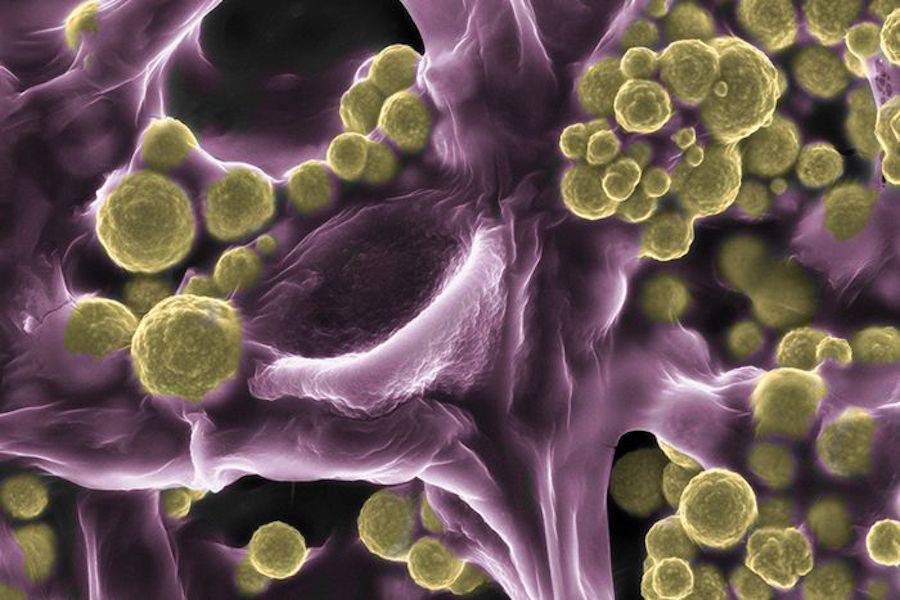
This fungal "green chemistry" solutions for conventional mining methods could be a great alternative to the huge environmental problems caused by Industrial Mining and could also be an efficient biocontrol against Malaria disease and other innovative medical applications.
However, medicine could be more dangerous than the illness itself, we understand so little about the reproduction of this microorganisms, that things could get out of hand easily if this fungi are modified and used out of the Labs. I hope this new discovery, which seems literally worth its weight in gold, won't become the next food Tchernobyl disaster! Let's keep an eye on this "innovations".
0 Comments
Your comment will be posted after it is approved.
Leave a Reply. |

 RSS Feed